
History of the Site
History of the Battle
The Battle of Waterloo is one of the most famous confrontations in history. It marks the ultimate defeat of Emperor Napoleon and brought to an end more than twenty years of wars across Europe. The outcome of this major event had repercussions throughout the world.
Historical Context
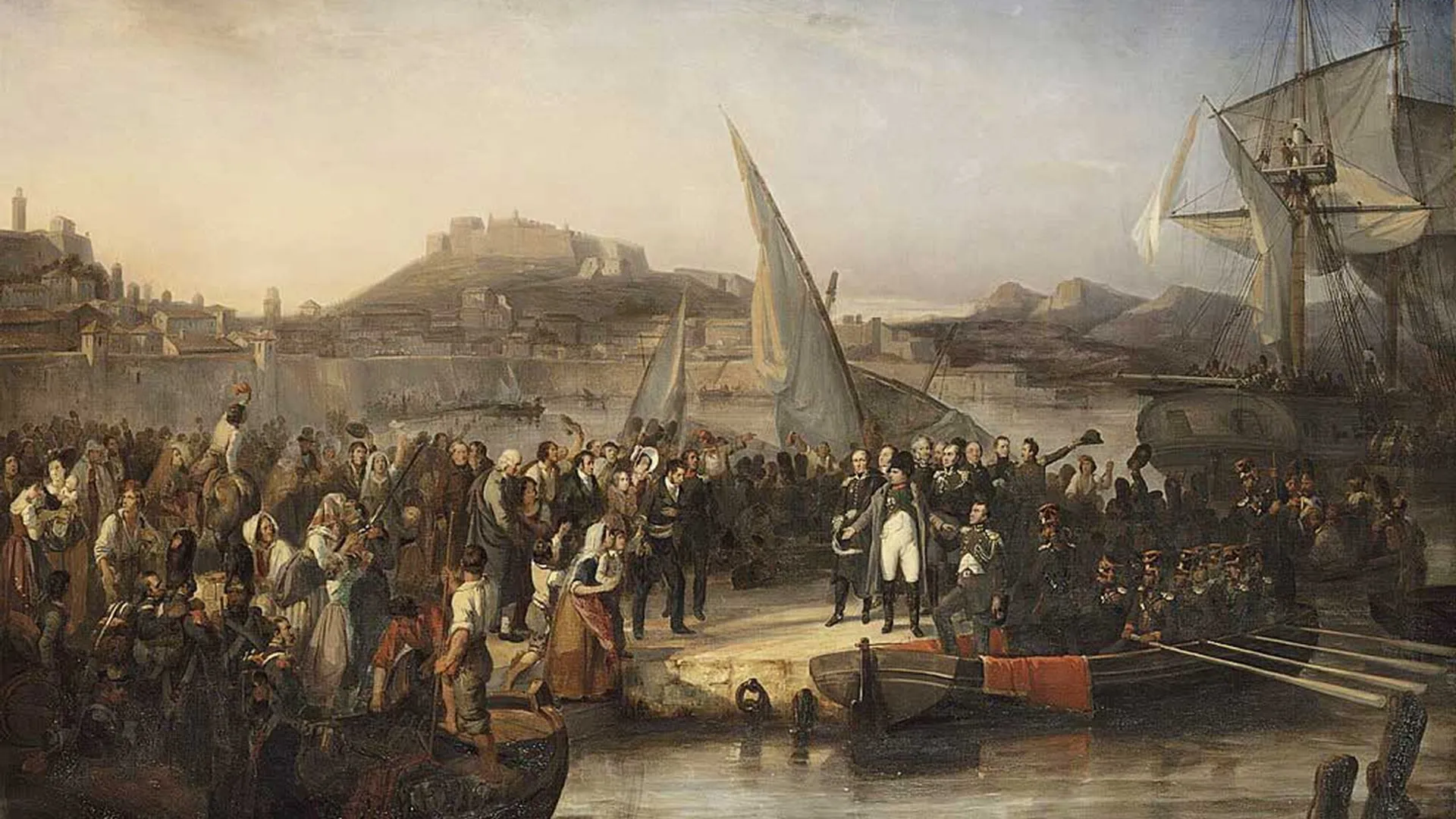
After his first abdication in April 1814, Napoleon was exiled to the island of Elba. Less than a year later, in March 1815, he returned to France, drove King Louis XVIII from power, and reclaimed the throne. The European powers gathered at the Congress of Vienna—notably the United Kingdom, Prussia, Austria, and Russia—refused to accept the return of the “Corsican Ogre.” They declared him “an enemy and disturber of the peace of the world” and formed a new coalition to defeat him. Europe mobilized against Napoleon. The allied army of Wellington and the Prussian troops of Field Marshal Blücher were stationed in Belgium. The start of the offensive was planned for July.
At dawn on June 15, Napoleon launched a surprise attack against his adversaries with an army of 120,000 men. His objective was to defeat Blücher’s Prussians and Wellington’s forces separately before they could join together. After winning a victory against the Prussian army at Ligny, Napoleon prepared to finish off Wellington’s army.
.webp)
The Course of the Battle
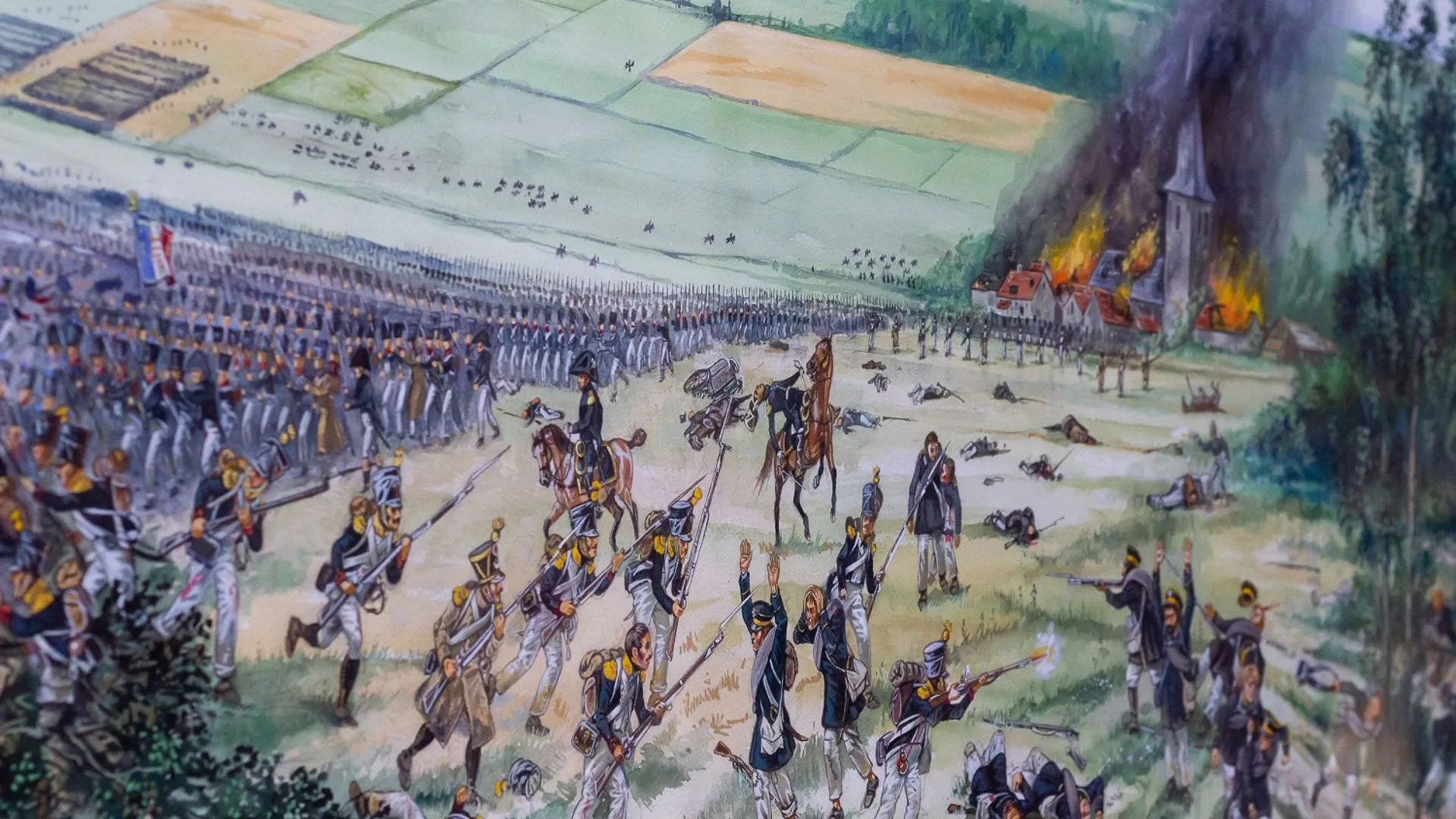
On the morning of June 18, after spending the night under heavy rain, the two armies faced each other. About 140,000 men prepared for combat on one of the smallest battlefields of the Napoleonic Wars. The waterlogged ground slowed troop movements and the deployment of French artillery, delaying Napoleon’s offensive.
Fighting began around 11:30 a.m. with a French attack against the fortified farm of Hougoumont, intended to pin down the Allied right wing. This action, which lasted throughout the day, mobilized many troops without bringing any decisive advantage. In the center, at 1:30 p.m., the assault of the 16,000 bayonets of General d’Erlon’s corps was repelled by Allied infantry, supported by formidable charges from British cavalry. Later, the French cavalry, launched prematurely, suffered heavy losses against the steadfast squares of the Allied infantry.
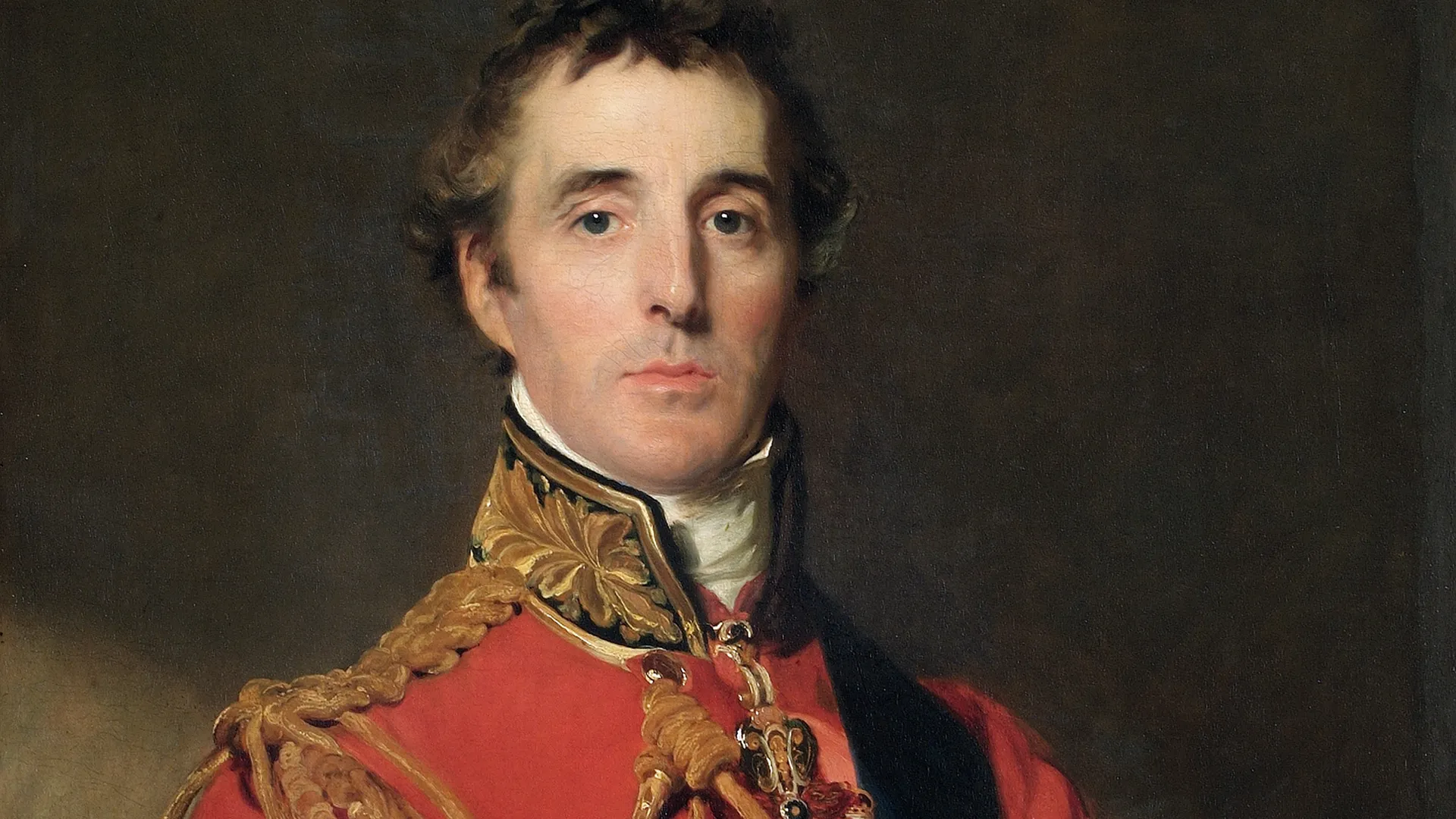
During the afternoon, the situation became critical for Napoleon as Blücher’s Prussian forces gradually arrived on his right flank. Fighting concentrated around the village of Plancenoit. Around 7 p.m., part of the Imperial Guard—the elite of the French army—attempted to break through Wellington’s lines. This final assault was repelled. For the first time, the Guard retreated. The withdrawal of the Imperial Guard signaled the collapse of the French army and the beginning of its retreat. Napoleon was forced to leave the battlefield.
The Stakes and Consequences
The Battle of Waterloo definitively ended Napoleon’s reign. He abdicated for the second time a few days later before being exiled to the island of Saint Helena. The battle confirmed the victory of the European monarchies and enabled the establishment of a new political order based on the balance of power and the restoration of traditional dynasties.
Beyond its military significance, Waterloo became an enduring symbol: the end of an era dominated by revolutionary ideals and Napoleon’s imperial ambitions. Even today, the battle holds a central place in Europe’s collective memory, both because of its scale and its major historical consequences.
History of the Site
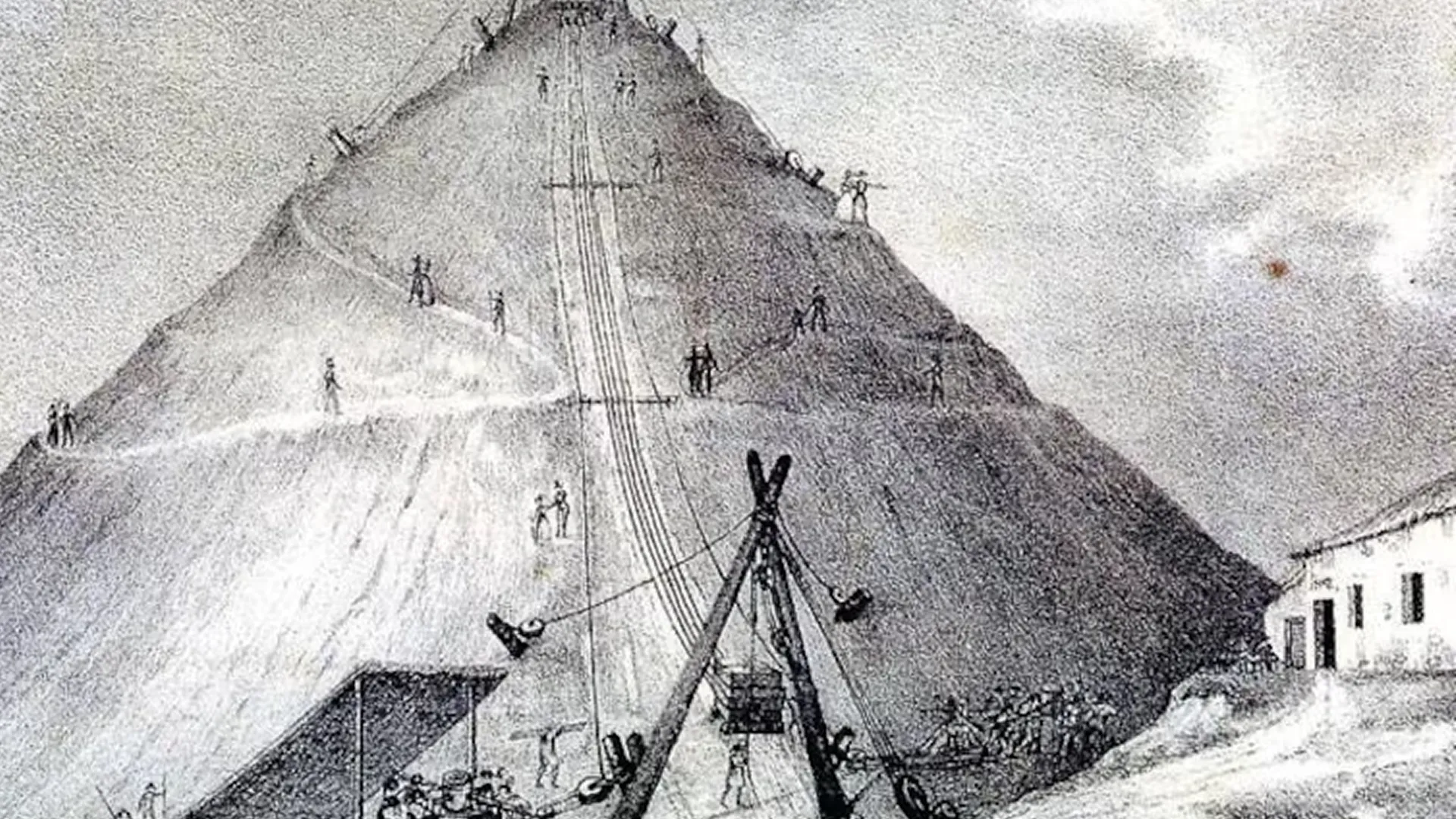
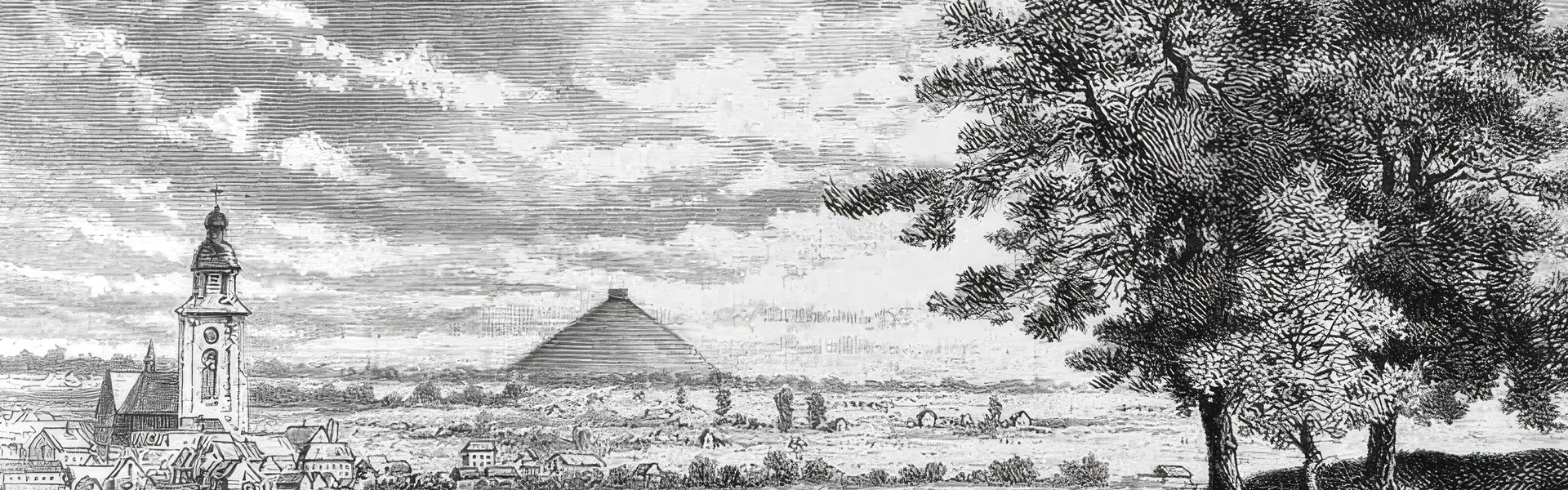
In the years following the fighting, the battlefield became an international site of remembrance. Visitors flocked from across Europe to see the place where Napoleon suffered his final defeat. Between 1824 and 1826, King William I of the Netherlands ordered the construction of the Lion’s Mound, a major monument intended to commemorate the Allied victory and the wound suffered by his son, the Prince of Orange, on June 18, 1815. This construction profoundly altered the original relief of the terrain but helped firmly establish Waterloo in the collective imagination.
19th century
Throughout the 19th century, the site gradually took shape: monuments and memorials were erected by the various countries involved in the battle. Inns, private museums, and local guides appeared to accommodate the growing historical tourism. The battlefield thus became one of the first major sites of remembrance tourism in Europe.
20th century
In the 20th century, urban development and road infrastructure occasionally threatened the integrity of the historic landscape. In response, protection measures were introduced to preserve the readability of the terrain and its heritage character. After the Second World War, the approach evolved: the site was no longer only a place of national commemoration but also a space for reflection on European history and the memory of conflicts.On the occasion of the bicentenary in 2015, the battlefield underwent a major transformation with the creation of the Memorial 1815, the renovation of the historic farms of Hougoumont and Mont-Saint-Jean, and a strong commitment to restoring the historic landscape. Since 2019, the management of the Memorial 1815, the Panorama, the Lion’s Mound, and the farm of Hougoumont has been entrusted to the company Kléber Rossillon.
The Site Today
Today, the Waterloo battlefield is a heritage and cultural site of global significance—both a place of remembrance, archaeological research, and the transmission of history to an international audience. Over time, the Waterloo battlefield has become an enduring symbol of European history.
